At Ashtamgam, the Department of Shalyatantra (Ayurvedic Surgery) represents the precision and depth of Ayurveda, rooted in the teachings of Acharya Sushruta, the pioneer of surgery. The department provides comprehensive care for anorectal disorders, chronic wounds (Vrana), and orthopedic & musculoskeletal conditions, focusing on both structural correction and functional restoration.
Ayurveda explains these conditions as manifestations of Dosha imbalance (especially Vata), impaired tissue healing, and obstruction in Srotas (body channels). Special emphasis is placed on Vrana (wounds) and Marma (vital anatomical points)—two key concepts in Shalyatantra. While Dushta Vrana (chronic wounds) reflect poor healing and systemic imbalance, Marma involvement can lead to pain, restricted mobility, and neuromuscular dysfunction.
At Ashtamgam, treatment is designed to address both local pathology and systemic causes, ensuring faster healing and reduced recurrence. The department integrates:
Shodhana (purification): Detoxification to improve healing capacity
Shamana (conservative care): Herbal medicines, diet, and local applications
Shastra & Anushastra Karma:
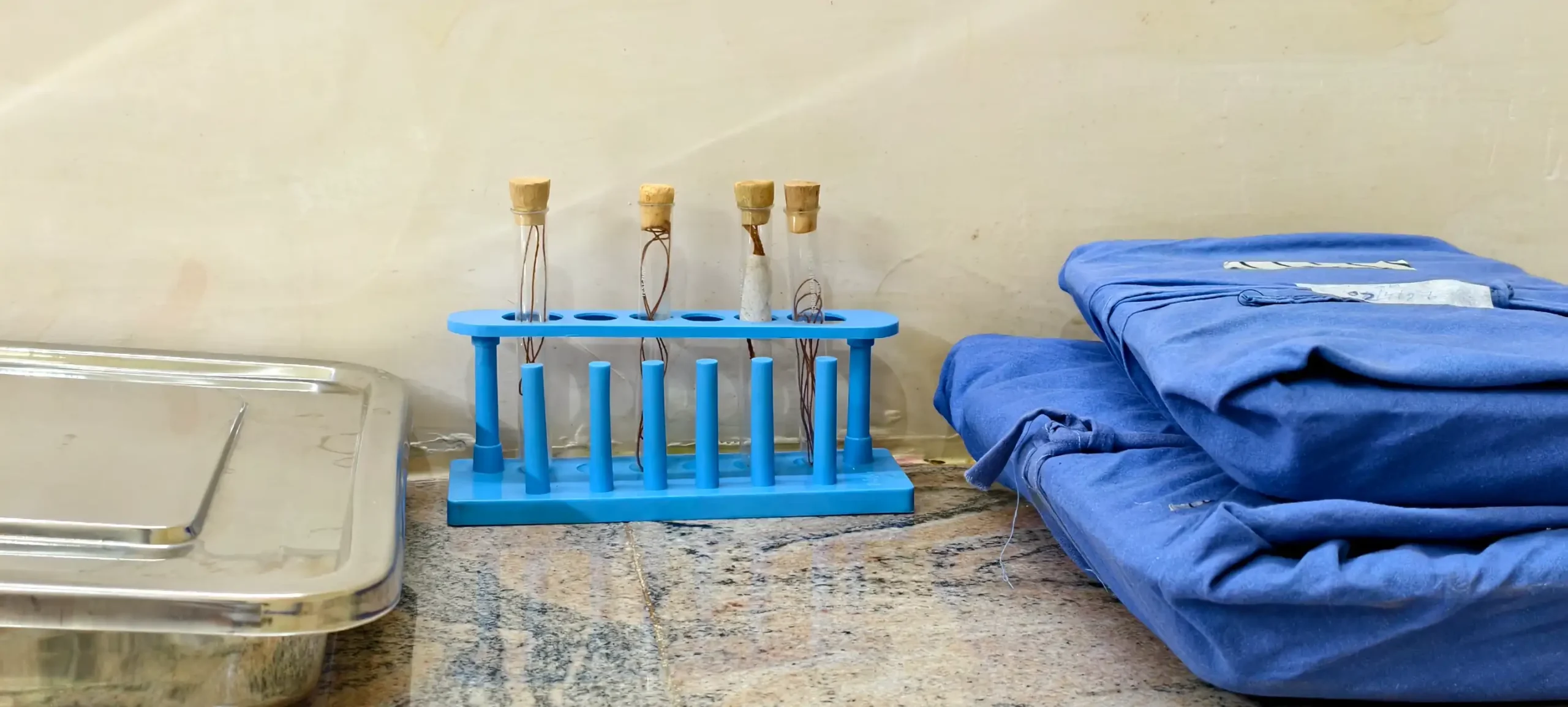
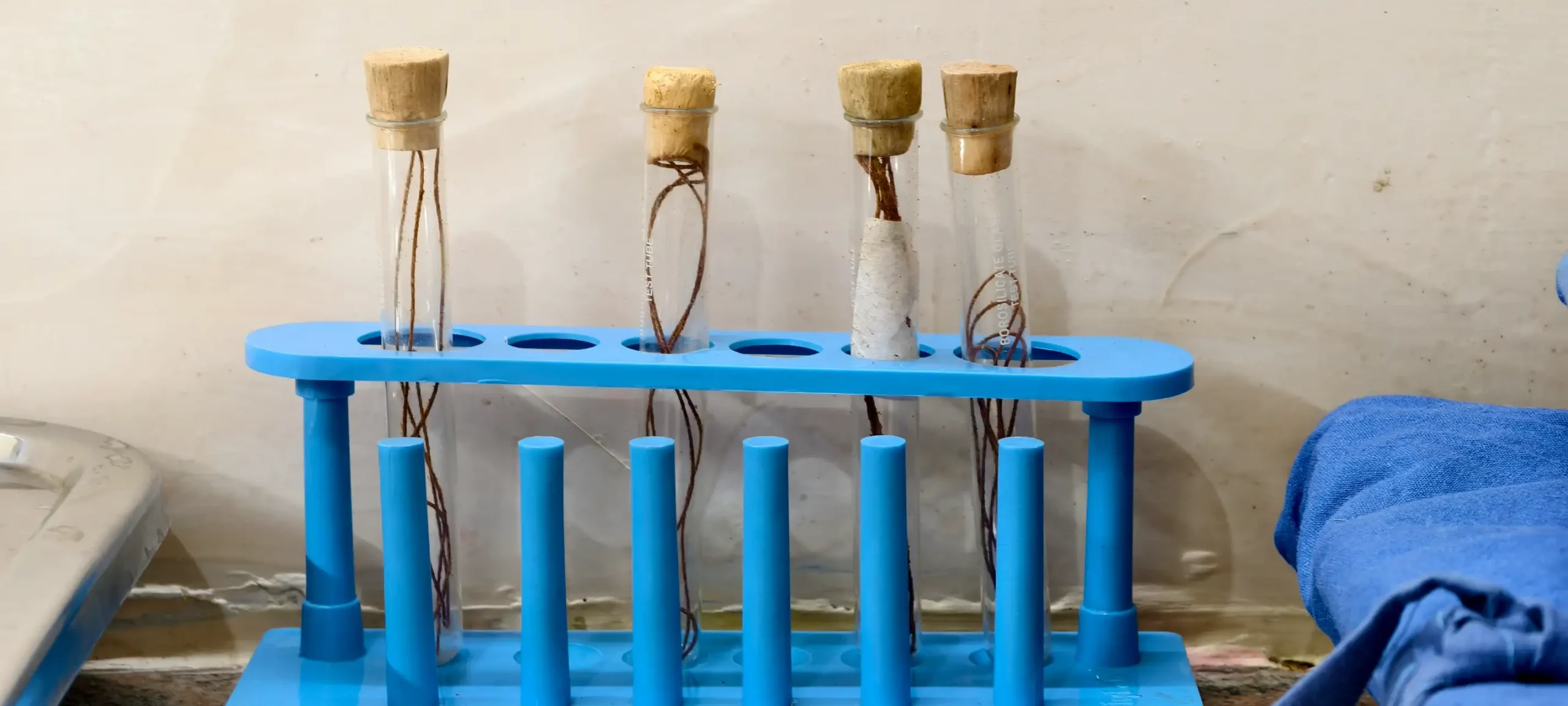
Ksharasutra – for anorectal disorders
Agnikarma – for musculoskeletal pain and localized lesions
Raktamokshana – for inflammatory conditions
Vrana Chikitsa: Scientific wound cleansing (Shodhana) and healing (Ropana)
Marma Chikitsa: Functional restoration through vital point therapy
The unique strength of Ashtamgam lies in its integrated surgical and healing approach—combining minimally invasive procedures, advanced wound care, and pain management therapies. With in-house formulations and individualized protocols, Ashtamgam ensures safe, effective, and holistic care.
The goal is not just disease removal, but complete healing, pain relief, restored mobility, and prevention of recurrence.
Conditions Treated
At Ashtamgam, the Department of Shalyatantra manages anorectal disorders, chronic wounds (Vrana), and orthopedic/ musculoskeletal conditions.
Ayurvedic Condition
Modern Medical Name
Brief Description
Arsha
Hemorrhoids (Piles)
Painful/ bleeding rectal veins
Bhagandara
Fistula-in-ano
Discharging tract near anus
Parikartika
Fissure-in-ano
Painful anal tear
Nadi Vrana
Sinus
Chronic discharging tract
Dushta Vrana
Chronic Non-healing Ulcer
Delayed healing (diabetic/varicose ulcers)
Shuddha Vrana
Clean Healing Wound
Post-procedure/surgical wounds
Vidradhi
Abscess
Localized pus collection
Granthi
Cyst/ Benign Lump
Nodular swelling
Charmakeela
Corn / Wart
Painful skin thickening
Sandhigata Vata
Degenerative Joint Disorders/ Osteoarthritis
Joint pain & stiffness over major joints
Gridhrasi
Sciatica
Radiating pain to the legs
Snayugata Vata
Tendinitis/ Ligament Injury
Pain & restricted movement over attachment sites of muscles
Kati/Prishta Shoola
Low Back Pain / Cervical Spondylosis
Chronic spinal pain localized over neck and low back
Marma Abhighata
Traumatic Soft Tissue/ Nerve Injury
Pain due to vital point involvement, tramatic episode
Key Highlight: At Ashtamgam, Vrana Chikitsa ensures faster wound healing, while Agnikarma provides immediate pain relief and Marma therapy restores functional mobility.
Frequently Asked Questions (FAQ)
Is Ayurvedic surgery painful?
Most procedures at Ashtamgam are minimally invasive and performed under appropriate anesthesia, ensuring minimal discomfort.
Can Shalyatantra treat chronic wounds like diabetic ulcers?
Yes. Ashtamgam specializes in Vrana Chikitsa, including:
Vrana Shodhana (wound cleansing)
Vrana Ropana (healing therapies)
Use of medicated oils like Jathyadi Ghrita This ensures better healing and infection control.
Can orthopedic and musculoskeletal conditions be treated without surgery?
Yes. Many conditions are effectively managed using Agnikarma, Marma therapy, and Ayurvedic medicines, avoiding major surgery.
How effective is Ksharasutra for fistula?
It offers low recurrence, minimal invasion, and gradual healing, allowing patients to continue daily activities.
What is Marma therapy?
A non-invasive therapy involving stimulation of vital points to improve pain, circulation, and mobility
How long does treatment take?
Pain conditions: 1–3 sittings (Agnikarma)
Wounds: Weeks to months depending on severity
Chronic diseases: Structured long-term care
Is hospitalization required?
Mostly OPD-based, with IPD care for complex wound or surgical cases.
Are there dietary restrictions?
Yes. Ashtamgam provides customized Pathya diet plans to promote healing and prevent recurrence.


![[ENG] Tennis Elbow - What Ayurveda can offer?](https://img.youtube.com/vi/UvHYjLCeTbc/maxresdefault.jpg)
![[MAL] പൈൽസ്, ഫിഷർ, ഫിസ്റ്റുല - രോഗലക്ഷണങ്ങളും, ആയുർവ്വേദ ചികിത്സയും | Dr Purushothaman Namboothiri](https://img.youtube.com/vi/zMG-oDnO46Y/maxresdefault.jpg)
![[ENG] Foot Ulcers & its' Ayurvedic Management (English)](https://img.youtube.com/vi/rvxyaWCezV4/maxresdefault.jpg)
![[MAL] നടുവേദന നിങ്ങളുടെ നിത്യ ജീവിതത്തിൽ ഒരു വില്ലനായി മാറുന്നുവോ? 🔴 A live interactive session.](https://img.youtube.com/vi/q5yufvTFZJ8/maxresdefault.jpg)
![[MAL] മലദ്വാര രോഗങ്ങൾ / Anal Diseases - നിങ്ങൾക്കും ഡോക്ടറോട് ചോദിക്കാം - 🔴 LIVE](https://img.youtube.com/vi/ZG05en76cYQ/maxresdefault.jpg)