The Department of Swasthavritta and Yoga is meant to address the comprehensive health care needs of the individuals not merely at the level of physical health instead their mental, emotional, social and spiritual health. Our therapies focus on modifying diet and lifestyle personalized to the individual’s constitution and his living environment.
Core Philosophy:
- Ayurveda gives first and foremost importance for the preservation of health through its unique guidance which shows us the right way of living in a consistent and disciplined manner. No other system of medicine emphasizes this.. Any deviation from health in the beginning can be corrected simply by modifying our daily diet and activities.
- Ayurveda consider mind and body as no two separate entities. The imbalance of one will affect the other. Many a time digestive problems, sleeplessness, physical aches and pains can be attributed to the imbalance caused to the mind due to stress, anxiety or depression. External or internal treatment alone may not reward a sustainable result. Ayurveda psychotherapy helps an individual to come out of the deep rooted stress or trauma and helps them to relax in such a manner that their physical
The Approach:
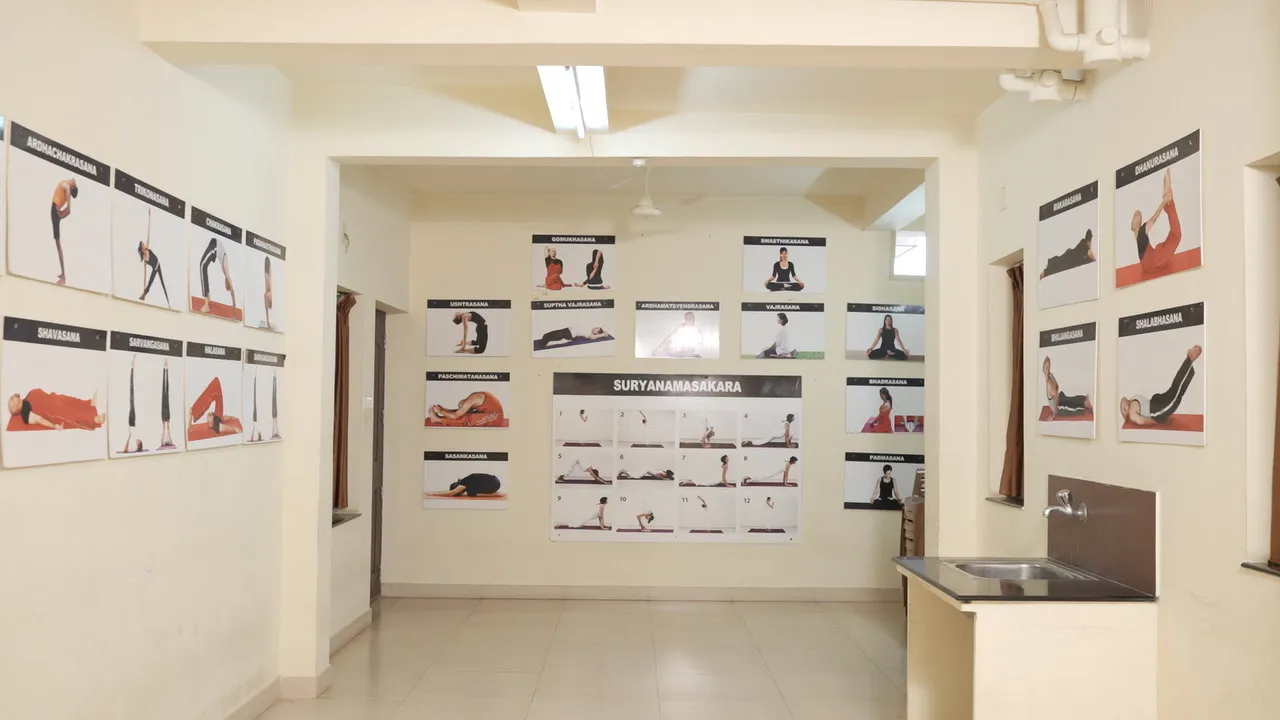
- The expert physicians of our department assess the imbalance of the dosha in an individual in detail and guide them to bring them back to normalcy by adopting suitable diet for the individual taking into consideration their digestive capacity, gut, region, season and status of their mind. We not only recommend adequate physical activity in the form of Yogasanas, Stretching, and exercises but also train them to easily incorporate the same as a part of their daily regimen.
Unique Selling Point (USP):
- Our monsoon detox package (Varshaayanam) ensures that accumulated metabolic toxin’s in the body is properly eliminated it modulates the immunity of the individual, helps in delaying the ageing process which is associated with various diseases.
- We have specialized wellness packages for group of individuals like residential associations, pensioners, friends, women’s group, NGO’s, teachers, IT professionals and entrepreneurs. The package is nothing short of a retreat to detox, distress and rejuvenate their self in the serene lap of mother nature.
- Our personalized yoga therapy has helped patients to come out of their psychological problems and helped many in dose de-escalation of modern psychiatric medicines and for reducing the insulin units in chronic diabetic patients.
- We give Smriti meditation, a guided, interactive therapy meditative technique designed meticulously for the prevention, diagnosis and management of psychosomatic illness. Painful emotions when deep seated may be a key factor in the manifestation of symptoms in psychosomatic illness .In Smriti meditation the practitioner guides the client to a deeper state of consciousness in an effective easy way to identify and address the emotional and psychic element behind the disease. This identification will solve major problems and help in healing.
- Our weightloss package is scientific and effective for those who suffer from obesity, pcod, insulin resistance, dyslipidemia, knee joint pain and other lifestyle disorders.
- We supervise and guide a fully equipped and hygienic pathya kalpana unit that provides therapeutic diet to each patient to support the treatment and the healing process.
- Conditions Treated (The “What”)
- Anxiety disorders
- Major depressive disorders
- Chronic acidity conditions
- Obesity 4. Insomnia
- Weight gain
[150–200 words (plus the table)]
Patients often search by symptoms rather than department names. Please provide a list that includes both the Classical Ayurvedic name and the Modern Medical equivalent.
Ayurvedic Condition | Modern Medical Name | Brief Description |
Chittodwegam | Generalized Anxiety Disorder | Problems in facing everyday life situations, restlessness, difficulty to relax, sleep disturbances, insomnia, fear. |
Sthoulyam | Obesity | Increase in or disproportionate weight gain which can be effectively managed through diet therapy, proper exercise and suitable fasting therapy. Diet therapy scientifically aids in weightloss. |
Nidranasham | Sleep disturbances/ Insomnia | Good quality of sleep is a key to wellness, many individuals feel tired, stressed and emotionally weak due to poor quality of sleep. Analysing the sleep patterns and identifying the root cause helps in fixing the normal sleep by giving the most suitable therapy. We give guided DRT sessions for patients for improving sleep quality |
Jara Chikitsa | Geriatric health care | For healthy ageing and for minimizing health problems of old age. Ashtamgam Rasayana therapy using our time tested rasayanas (immunomodulatory) medicines and nutritional supplements. |
Aadhi & Aadhija vyadhi’s | Common stress and stress induced disorders | Continuous exposure to stressors result in manifestation of aches and pains in the body, restlessness, sense of unhappiness, anger, gut disturbances and sleep disturbances. Ashtamgam Yoga therapy & guided meditation helps in tackling these without any medications. |
- Frequently Asked Questions (FAQ)
- Common Questions to Answer:
- How long does the typical treatment protocol take?
The duration may vary depending on the individual’s condition, severity of symptoms, age, and compliance with the prescribed regimen. A typical protocol can be described as follows:
Duration of Treatment Protocol
- Initial Phase (2 weeks ):
Focus on introducing dietary modifications, establishing a regular yoga routine. During this phase, participants often experience improvements in physical comfort, sleep quality, and mental relaxation. - Therapeutic Phase (4-6 weeks ):
Consistent practice of a personalized diet plan, yoga therapy sessions (30–60 minutes daily), and Smriti Meditation (if required based on client status minimum 3 sessions of 2 hour duration in the phase) is maintained. Significant improvements in physical health, emotional well-being, stress management, and overall quality of life are generally observed during this period. - Maintenance Phase at (Beyond 6 weeks)
Healthy dietary habits, yoga practices, and meditation are continued as part of a long-term lifestyle approach. This phase helps sustain the benefits achieved and prevents relapse or recurrence of symptoms.
Overall Duration:
A structured intervention typically lasts 2- 4 weeks institutional care, with continued practice of diet therapy, yoga therapy, and learned Meditation Practices recommended for long-term health promotion and maintenance of outcomes.
Suggested Daily Schedule
- Diet Therapy: Throughout the day according to the prescribed dietary plan.
- Yoga Therapy: 30–60 minutes daily.
This integrative approach is most effective when followed consistently for at least one month, after which it can be adapted into a sustainable lifestyle practice.
- Are there specific dietary restrictions (Pathya) during the treatment?
Dietary advice should always be individualized according to the patient’s condition and overall health status. In Ayurveda, diet is not prescribed merely by disease label, but by understanding the person’s unique physiological and functional state.
Key factors considered while planning diet therapy
- Agni (digestive strength)
The strength and quality of digestion determine what kind of foods can be properly digested and assimilated.
- Mandagni (low digestion): light, warm, easily digestible foods are preferred.
- Tikshnagni (strong digestion): slightly nourishing foods can be tolerated better.
- Vishamagni or irregular digestion: meals are planned to stabilize digestion and meal timing.
- Koshta (bowel habits and response)
Bowel pattern influences food selection and meal structure.
- Mridu koshta (soft bowel tendency): heavier or overly oily foods may aggravate looseness.
- Krura koshta (constipation tendency): fiber-rich, unctuous, and warm foods are emphasized.
- Madhyama koshta (moderate bowel habit): a balanced diet is generally suitable.
- Prakriti (individual constitution)
The natural constitution guides long-term dietary preferences.
- Vata prakriti: warm, moist, grounding foods are beneficial.
- Pitta prakriti: cooling, mildly spiced, and non-irritating foods are preferred.
- Kapha prakriti: light, dry, and stimulating foods help maintain balance.
- Age
Nutritional needs and digestive capacity change with age.
- Children: require nourishing and growth-supportive foods.
- Adults: need balanced maintenance nutrition.
- Elderly individuals: often benefit from softer, easier-to-digest, and strengthening foods.
- Cravings and food desires
Specific cravings may reflect nutritional needs, habitual patterns, or doshic imbalance. These are assessed carefully and accommodated in a balanced way rather than ignored completely.
- Habituated diet (Satmya)
Foods and eating patterns that the person is accustomed to are considered to avoid sudden drastic changes and to improve compliance and tolerance.
- Immune responses and food sensitivity
Past reactions to foods, allergies, recurrent infections, inflammatory tendencies, and overall immunity are evaluated to avoid aggravating foods and support resilience.
Approach to Diet Planning
A practical Ayurvedic diet plan is therefore designed to be:
- Condition-specific
- Digestively appropriate
- Constitutionally compatible
- Age-appropriate
- Realistic for the patient’s lifestyle and preferences
- Supportive of immunity and recovery
- Can these treatments be taken alongside Allopathic medications?
- Our therapeutic programme, which includes individualized dietary guidance, yoga therapy, and Smriti Meditation, can be undertaken alongside prescribed allopathic medications.
- Before recommending any intervention, we carefully assess the client’s health status, existing medical conditions, and current medications. The therapies and lifestyle advice provided are designed to complement conventional medical care and are not intended to interfere with the effectiveness of prescribed medications.
- In many cases, improvements in overall health, lifestyle habits, stress levels, metabolic parameters, and disease management may occur over time. As a result, some clients may experience clinical improvements that could potentially reduce their dependence on certain medications. However, any modification, reduction, or discontinuation of allopathic medications should be made only after appropriate medical evaluation and consultation with the client’s treating physician, family doctor, or specialist.
- Our approach emphasizes integrative care, ensuring that all therapeutic recommendations are safe, evidence-informed, and coordinated with the client’s existing medical treatment plan.
- How smriti meditation works in psychosomatic diseases?
Smṛti Meditation is a contemplative practice that helps calm the mind by slowing down racing thoughts and reducing excessive mental activity.Individuals develop greater self-awareness and gain deeper insight into their thoughts, emotions, values, and life experiences.
The practice facilitates a process of self-discovery, enabling individuals to recognize what truly matters to them and to approach life’s challenges with greater clarity and emotional balance. As the mind becomes more settled, underlying causes of stress, conflict, or dissatisfaction often become apparent.
Rather than depending solely on external advice, Smṛti Meditation empowers individuals to identify the root causes of their concerns and discover solutions from within. Since these insights arise from the individual’s own understanding and experience, the resulting changes are often more meaningful, sustainable, and long-lasting than solutions imposed by others.
In this way, Smṛti Meditation serves not only as a tool for relaxation but also as a powerful method for personal growth, self-understanding, and lasting transformation.
Consultation Fee: ₹ 300/-
- Visual Assets (The “Visual Proof”)